Acoustic panels that make rooms sound clear.
Fabric and fluted panels that reduce echo and reverberation in studios, offices, meeting rooms and homes, with a finish you will want on the wall.
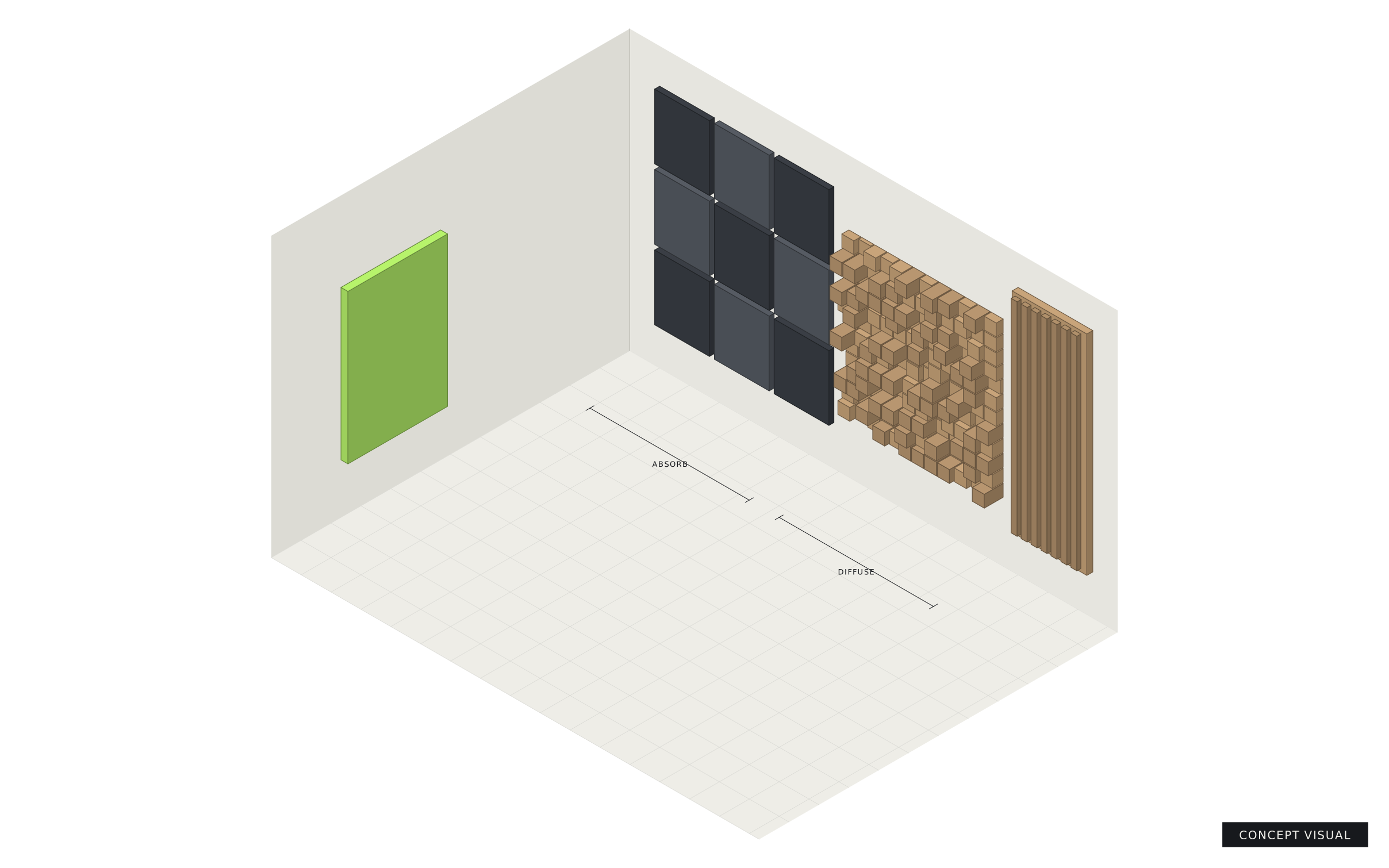
What acoustic panels do
Hard surfaces reflect sound. In a room with bare walls, voices bounce around and arrive at your ears (or microphone) many times, which sounds like echo. Absorption panels soak up part of that reflected energy, so speech is clearer and recordings sound tighter.
What they don't do
Panels do not stop sound passing through walls. If you need to keep noise in or out, you need sound isolation, which uses mass, airtight construction and decoupling.
Where to place them
Placement matters as much as quantity.
- First reflection points on side walls, between you and your speakers or microphone
- The wall behind you on camera, which also becomes your backdrop
- Ceiling above a desk or table
- Corners, for low-frequency control (bass traps)
Acoustic products
Development listings: prices and final specifications will be published when confirmed.
Questions
How many panels does my room need?
It depends on the room size, surfaces and use. Send us dimensions and photos through the quote form and we will suggest a layout.
What is NRC?
Noise Reduction Coefficient: an average measure of how much sound a material absorbs, from 0 (none) to around 1. We will publish NRC values only for panels that have been tested.
Tell us about your space.
Share your requirements, room size and timeline. We'll reply with next steps.